What Is the Stryker OptaBlate BVN System?
The Stryker OptaBlate BVN System is a technology used to perform basivertebral nerve ablation — a single procedure that treats the basivertebral nerve within the vertebral body.
What You'll Learn
Approx. 5–7 min read- What the OptaBlate BVN System is
- How it is used to perform BVNA
- The general procedure workflow, step by step
- Why it is a technology — not a separate diagnosis
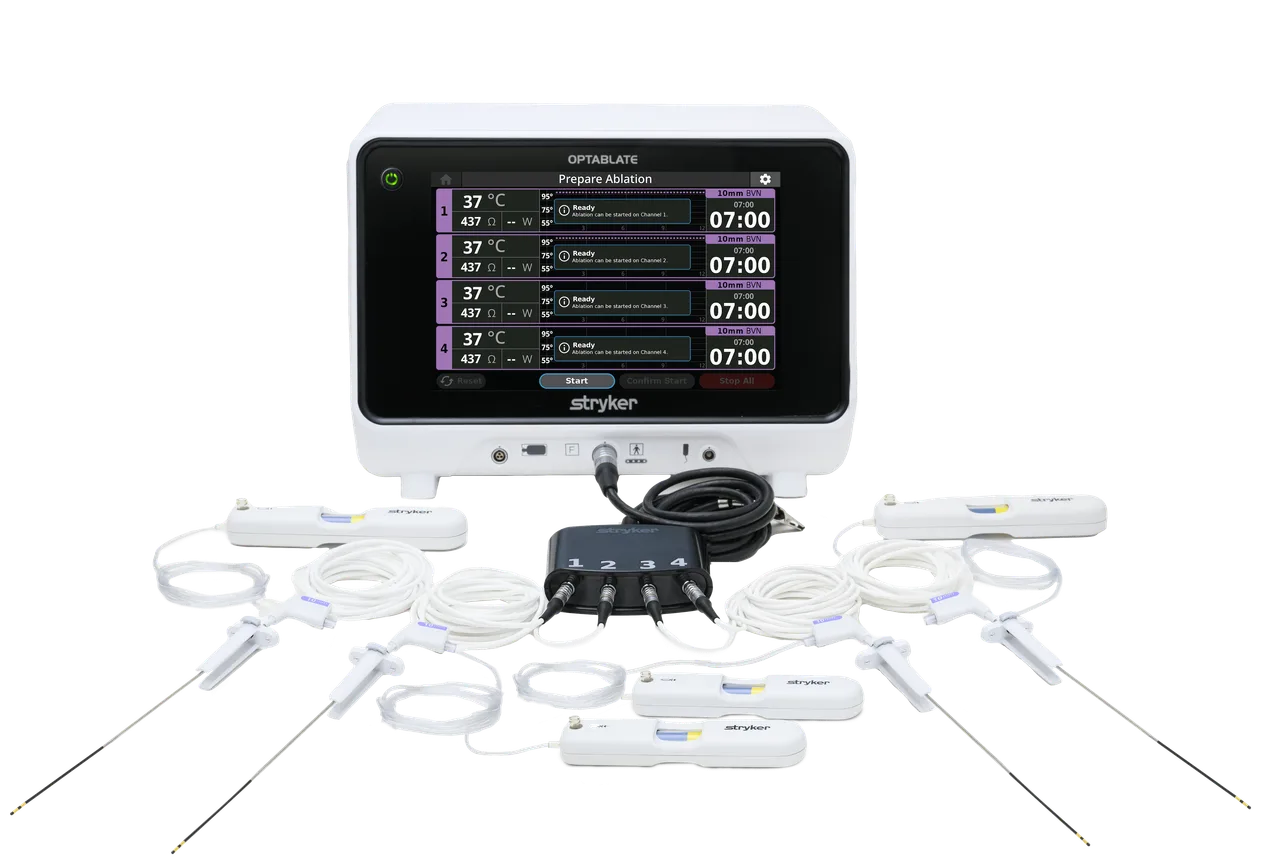
The OptaBlate BVN System
The Stryker OptaBlate BVN System, a technology used to perform basivertebral nerve ablation. It comprises the access instruments and a generator that allow a physician to reach and treat the basivertebral nerve within the vertebral body.
A technology used to perform BVNA — not a separate procedure.
- Purpose: used to perform basivertebral nerve ablation.
- Role in BVNA: helps the physician reach and treat the nerve pathway.
- General workflow: minimally invasive and image-guided.
- Educational illustrations supplied by Stryker.
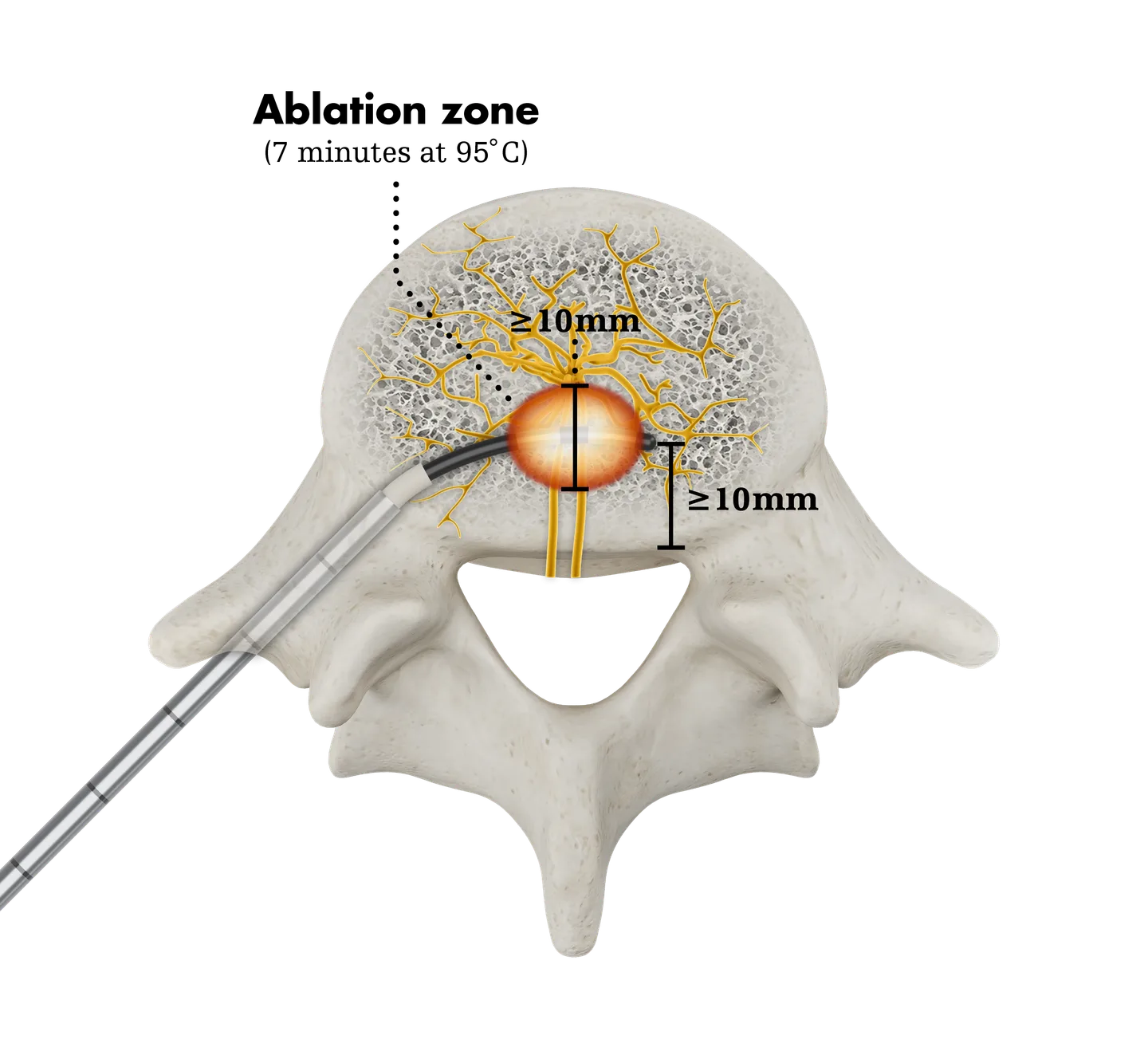
How the OptaBlate BVN System Performs BVNA
Basivertebral nerve ablation treats the basivertebral nerve where it sits inside the vertebral body. The OptaBlate BVN System gives the physician an image-guided path to that nerve and a way to deliver radiofrequency energy to it.
- The physician confirms BVNA is appropriate before any system is chosen.
- Access instruments create an image-guided path toward the basivertebral nerve.
- A probe is placed at the targeted ablation zone for the nerve.
- Radiofrequency energy ablates the targeted nerve pathway.
The Procedure Workflow
A detailed, instrument-level walkthrough provided by Stryker. This is educational and not a substitute for your physician's guidance.
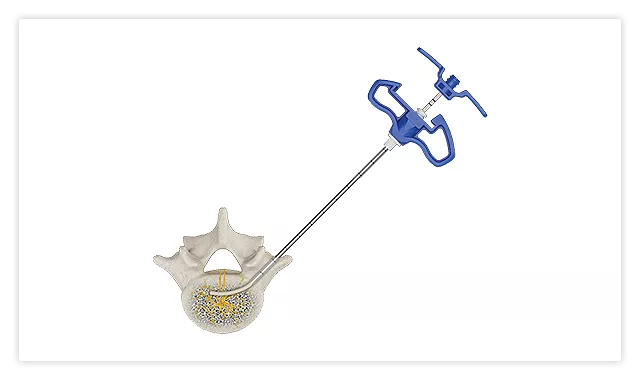
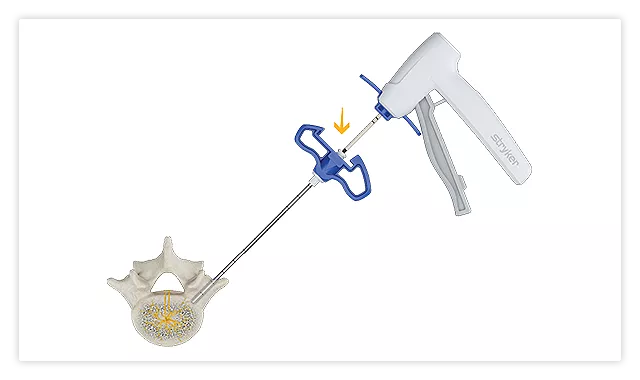
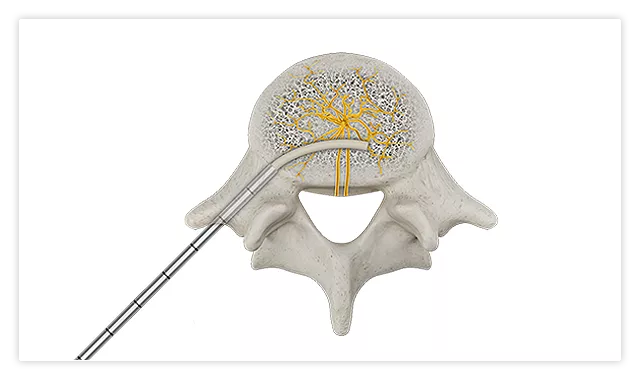
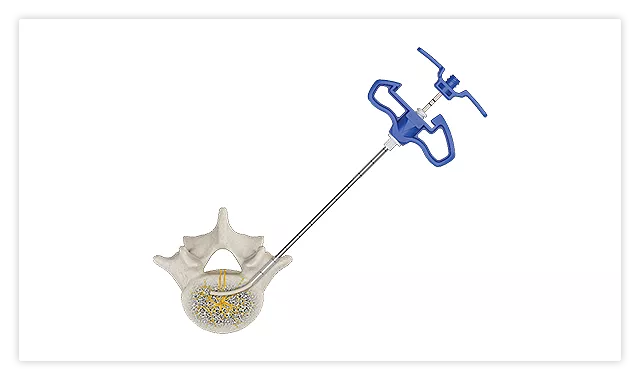
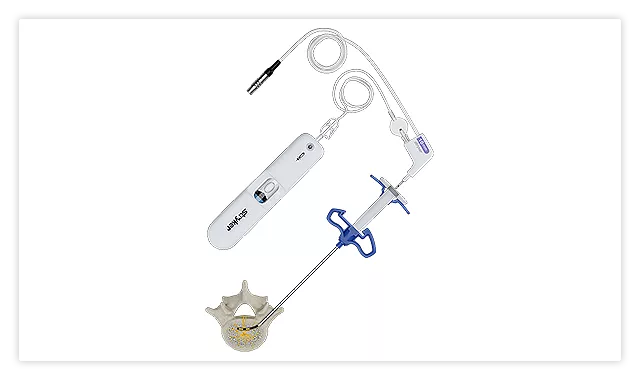
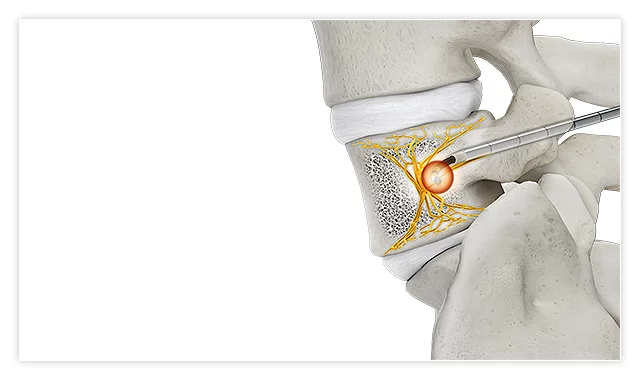
Illustrations © Stryker — physician-authorized educational use.
Educational Media
The following educational materials are provided by Stryker. They are included as supplied educational media and do not represent a recommendation of one technology over another.
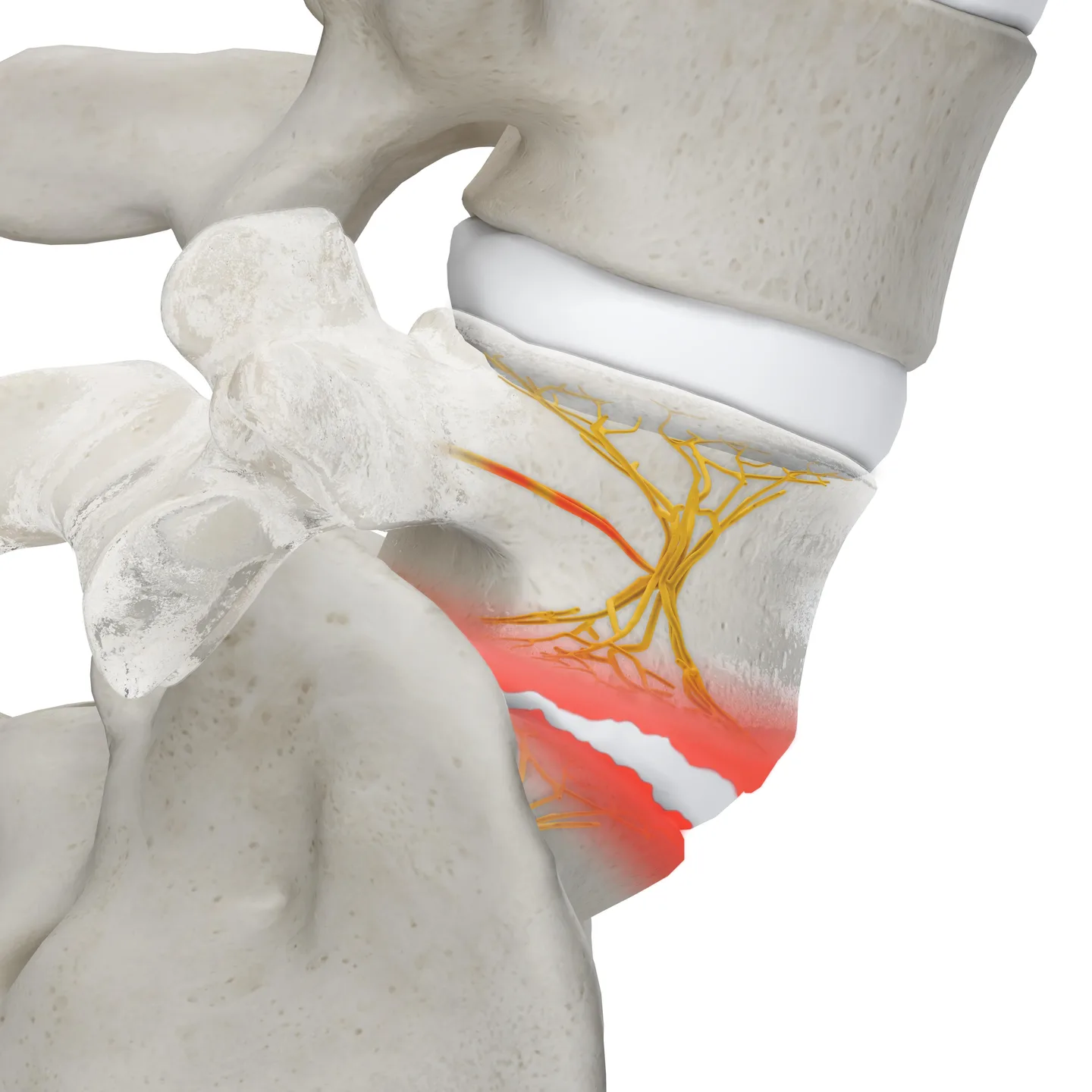
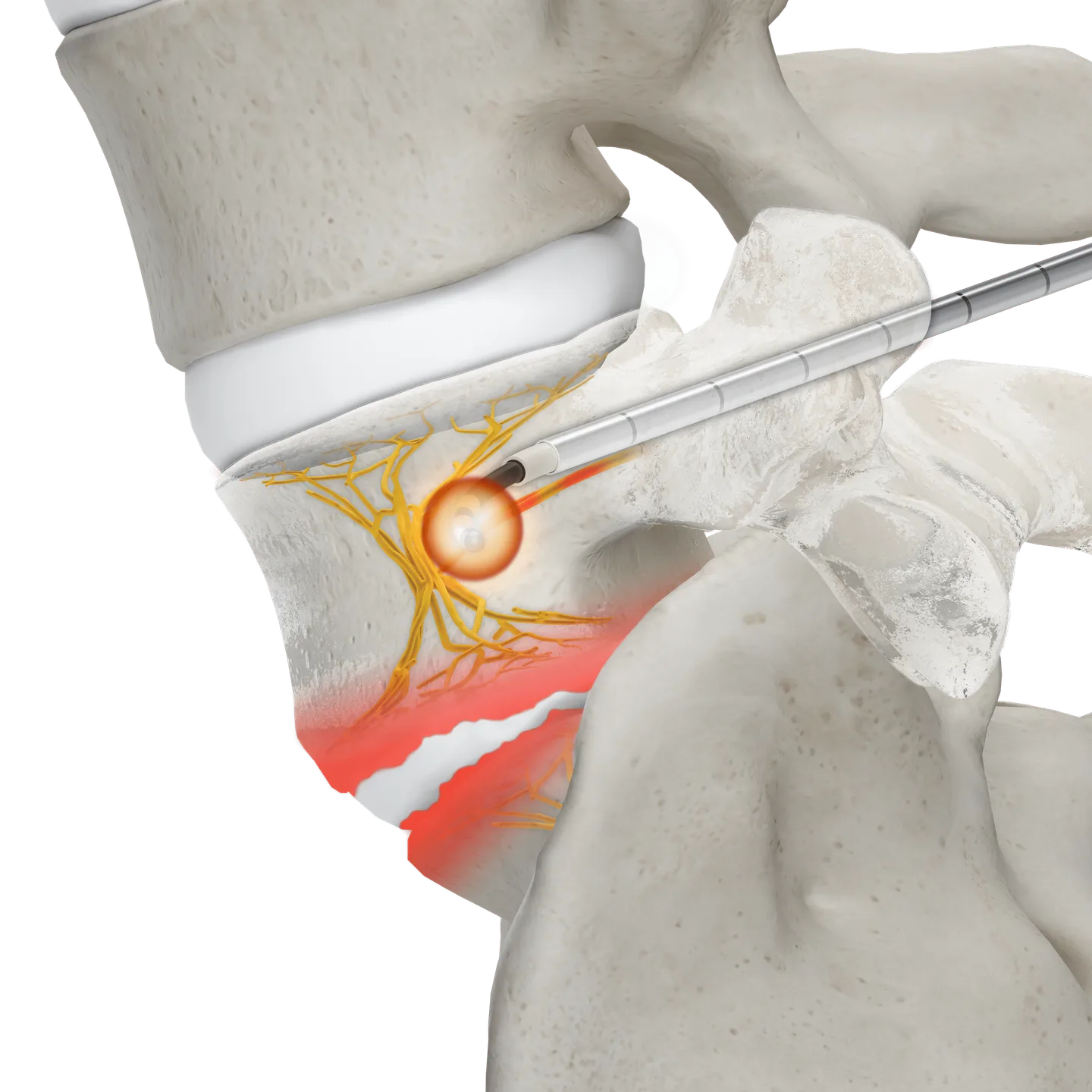
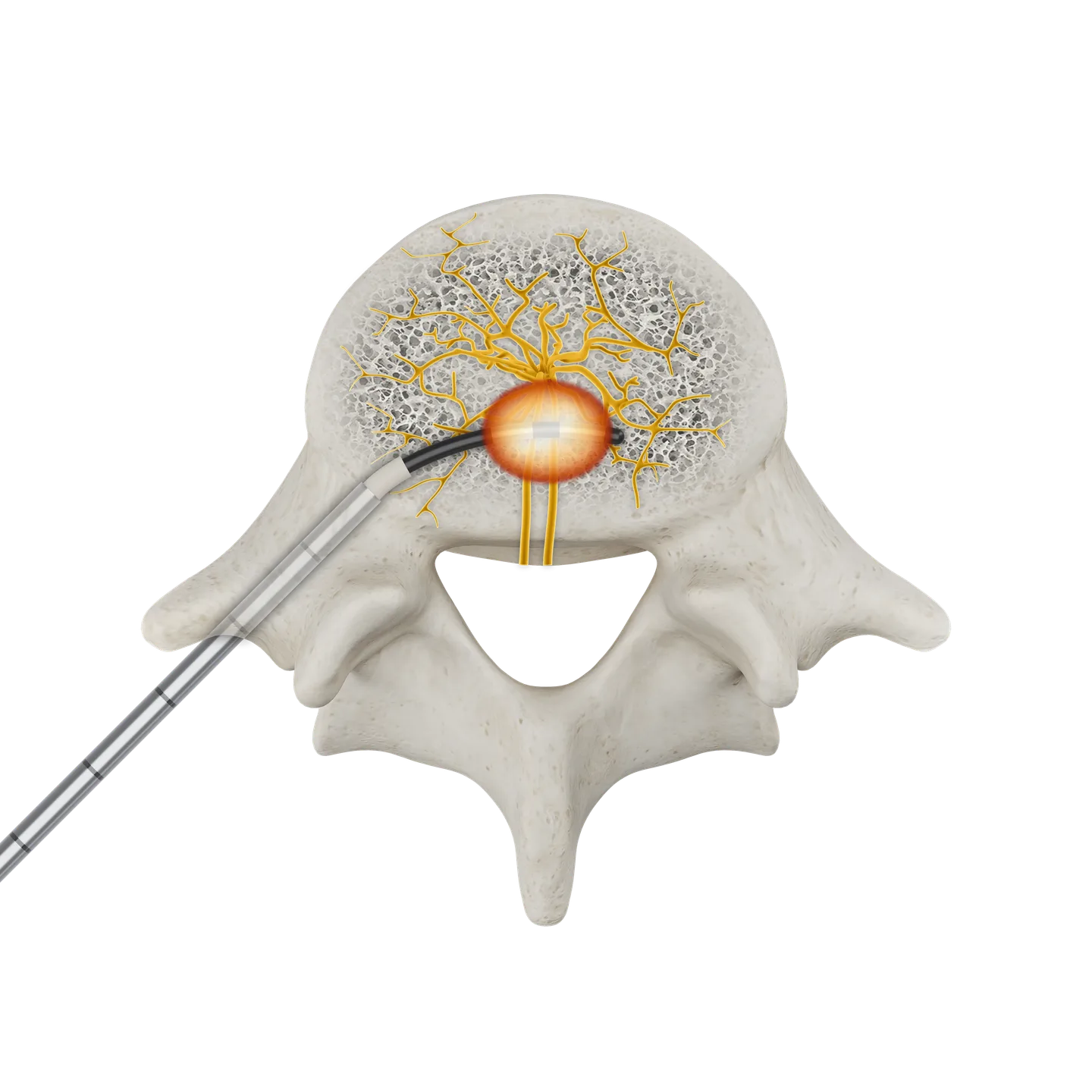
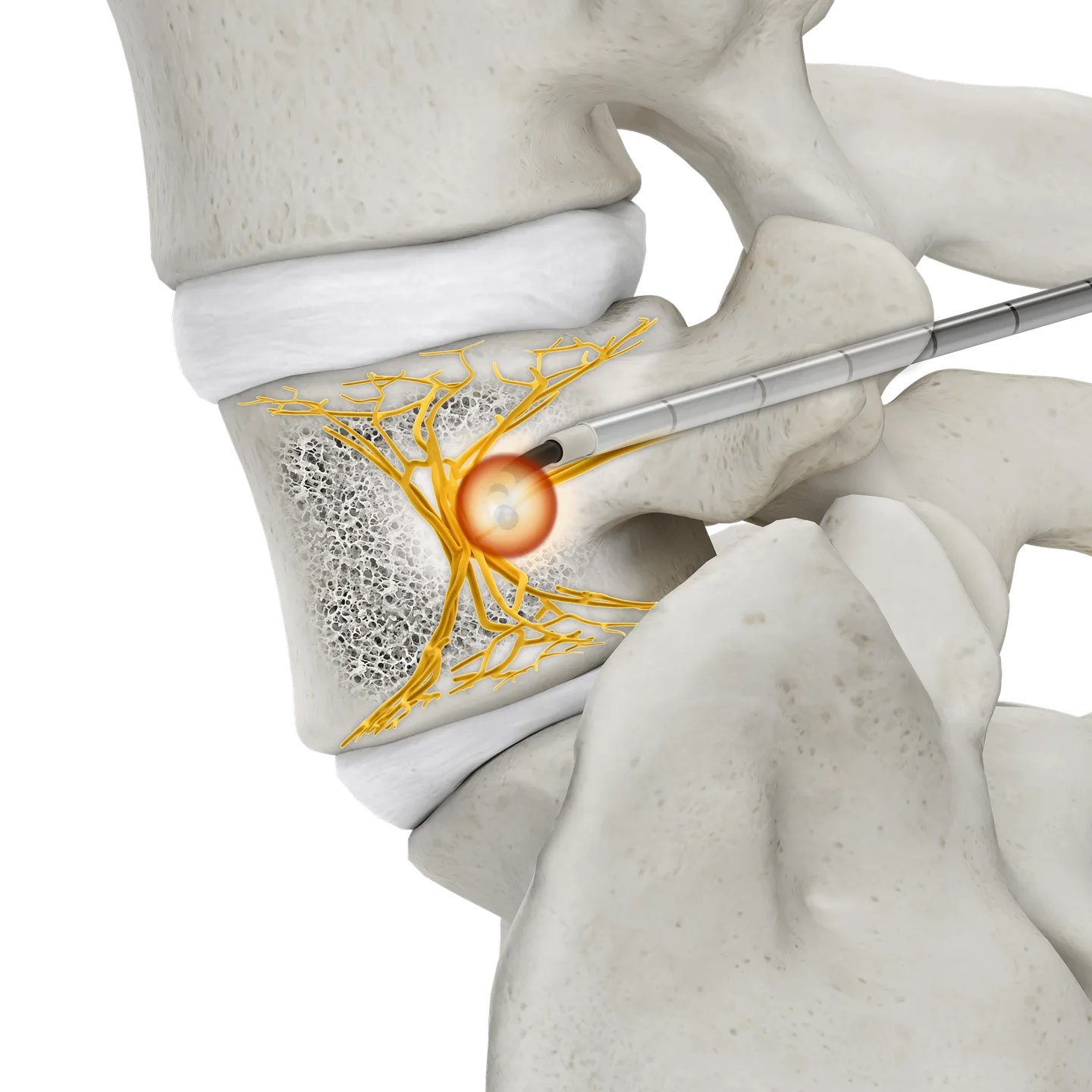
Illustrations © Stryker — physician-authorized educational use.
Video accessibility. Reviewed captions are not yet available for this supplied video. A reviewed transcript or descriptive text alternative is not yet available. The written procedure walkthrough is related education, not a transcript or equivalent alternative to this video.
Video accessibility. Reviewed captions are not yet available for this supplied video. A reviewed transcript or descriptive text alternative is not yet available. The written procedure walkthrough is related education, not a transcript or equivalent alternative to this video.
What This Means for a Patient
If your physician determines that basivertebral nerve ablation is appropriate, the OptaBlate BVN System is one of the tools they may use to perform it.
Minimally invasive
The procedure is performed through a small access path, guided by imaging.
Targets one nerve
Treatment is focused on the basivertebral nerve inside the vertebral body.
A tool, not a decision
The system is how the procedure is performed — not whether it is right for you.
Physician-led
Your physician decides whether BVNA is appropriate before any system is chosen.
A Technology, Not a Diagnosis
The OptaBlate BVN System is a technology used to perform basivertebral nerve ablation — it is not a separate procedure or a separate diagnosis.
Diagnosis and patient selection always come first. Whether basivertebral nerve ablation is appropriate is determined by your physician based on your history, examination, imaging, and overall clinical evaluation — independent of which system is used.
Naming the system does not change the procedure. BVNA is the treatment; the OptaBlate BVN System is one way a physician can perform it.
Frequently Asked Questions
Educational answers about the Stryker OptaBlate BVN System.
What is the Stryker OptaBlate BVN System?
Is the OptaBlate BVN System a different procedure than BVNA?
Does using the OptaBlate BVN System change my diagnosis?
Will my physician use the OptaBlate BVN System?
Continue Your Learning
Keep exploring the educational library at your own pace.
Learn at your own pace.
The procedure — not the brand — is what matters most. When you are ready, an evaluation is the next step.