Advanced Technologies Used to Perform Basivertebral Nerve Ablation
Basivertebral nerve ablation is a medical procedure. Physicians may perform that procedure using different FDA-cleared technologies.
What You'll Learn
Approx. 4–5 min read- What BVNA technologies are
- Why more than one system exists
- How physicians select a technology
- Where to read about each system in detail
One Procedure, Multiple Technologies
There is one procedure: Basivertebral Nerve Ablation (BVNA). Manufacturers produce systems that allow physicians to perform that procedure. The systems are tools — the procedure is the same.
- BVNA is the treatment.
- Manufacturers make systems used to perform it.
- Different systems, one procedure — not separate procedures.
How Physicians Think About Technology
To a physician, the technology is a tool — not the starting point. The physician determines whether BVNA is appropriate based on the patient's history, examination, imaging, and overall clinical evaluation, and only then selects the system to use.
Diagnosis first
Understanding the source of pain comes before any procedure.
Patient selection first
Whether BVNA is appropriate is decided before a system is chosen.
Technology is a tool
The system is a means to perform the procedure, not the decision itself.
Then the system
The physician selects an appropriate system based on training and judgment.
Two Technologies Used to Perform BVNA
Each is a system a physician may use to perform basivertebral nerve ablation. They are presented with equal weight — read the dedicated page for each.
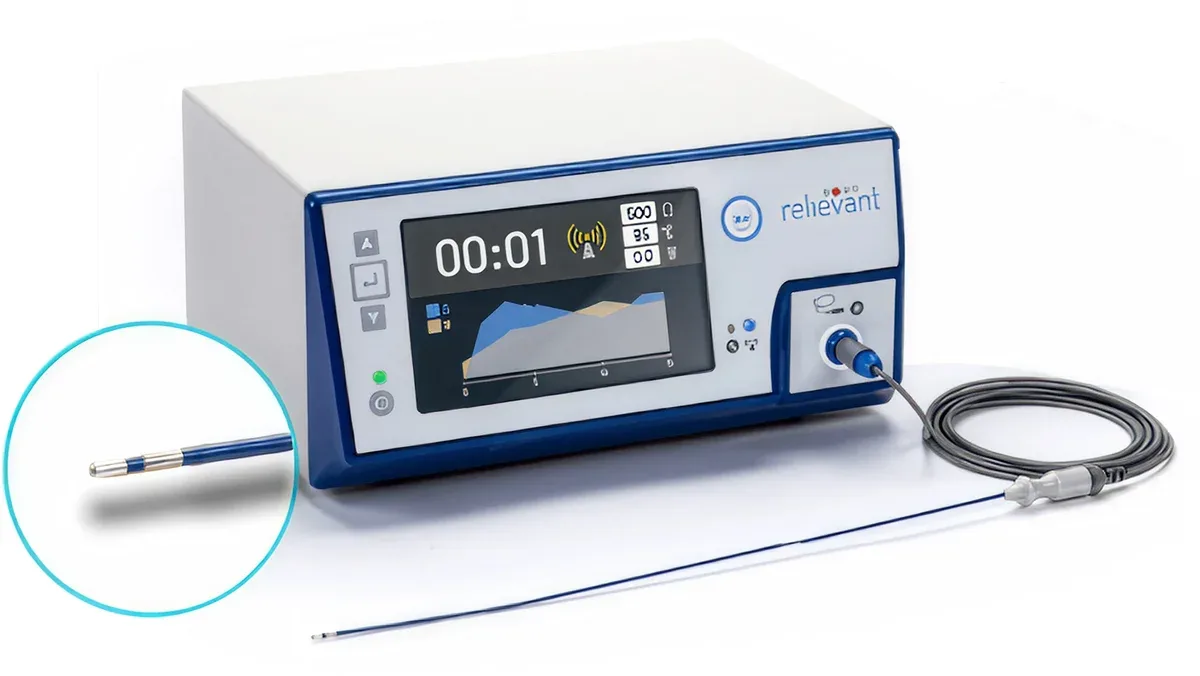
Boston Scientific
Intracept System
A technology used to perform basivertebral nerve ablation — access instruments and a radiofrequency generator used to reach and treat the basivertebral nerve.
- Used to perform BVNA — not a separate procedure.
- Minimally invasive and image-guided.
- Educational media provided by Boston Scientific.
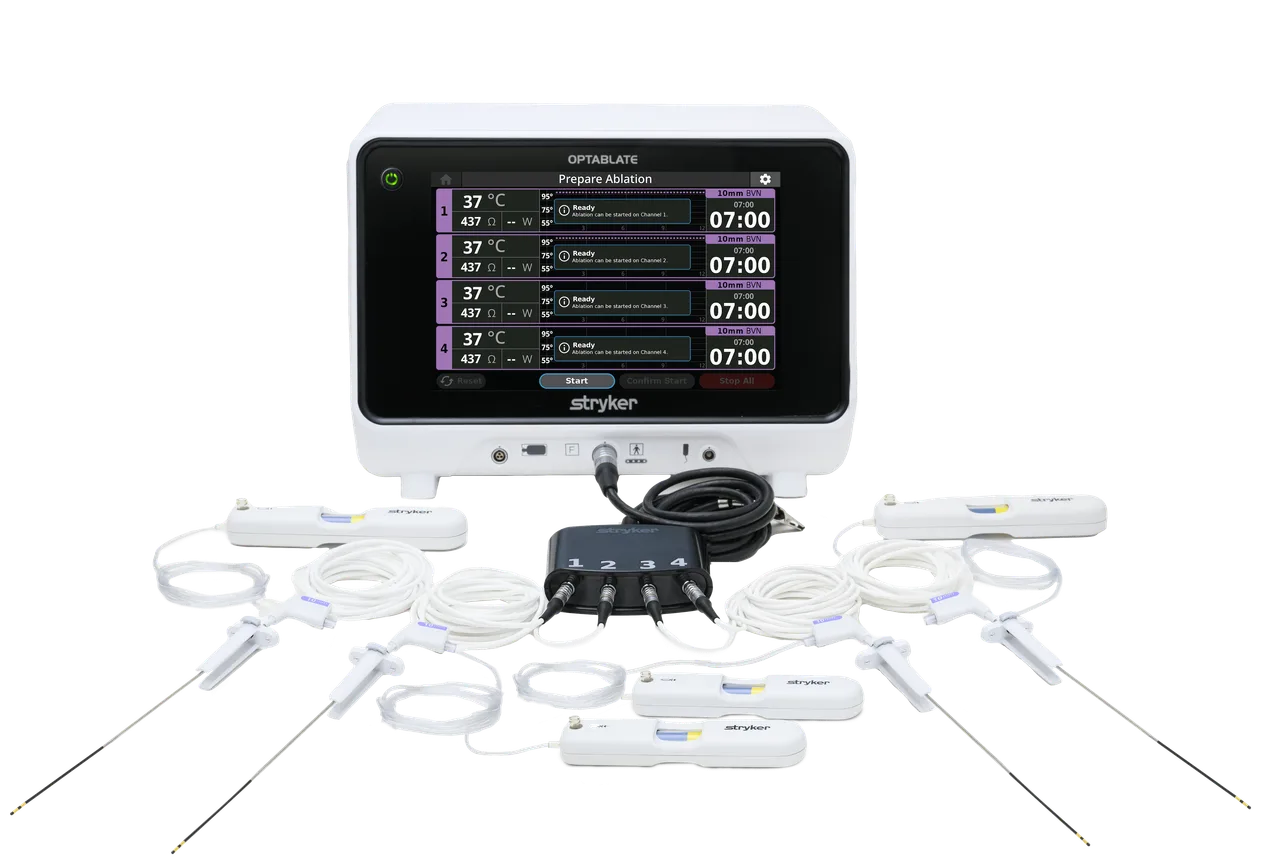
Stryker
OptaBlate BVN System
A technology used to perform basivertebral nerve ablation — access instruments and a generator used to reach and treat the basivertebral nerve.
- Used to perform BVNA — not a separate procedure.
- Minimally invasive and image-guided.
- Educational media provided by Stryker.
Why More Than One Technology Exists
In medicine, it is common for more than one FDA-cleared technology to be designed to address the same condition.
Having more than one system available does not mean one is right for everyone. The emphasis stays where it belongs: on the physician's judgment and careful patient selection.
The physician determines whether BVNA is appropriate based on the patient's history, examination, imaging, and overall clinical evaluation — and then uses an appropriate system to perform it.
Frequently Asked Questions
Educational answers about the technologies used to perform BVNA.
Why does more than one technology exist?
Is one technology better than another?
Will my physician choose the technology?
Does the technology change the diagnosis?
Explore the BVNA Technology Pages
Two technologies used to perform basivertebral nerve ablation, presented with equal weight. Read whichever you like first.
Intracept System
A technology used to perform basivertebral nerve ablation.
Explore this systemOptaBlate BVN System
A technology used to perform basivertebral nerve ablation.
Explore this system